Column · @donovancljp862
When Is Root Canal Beverly Hills the Right Choice?
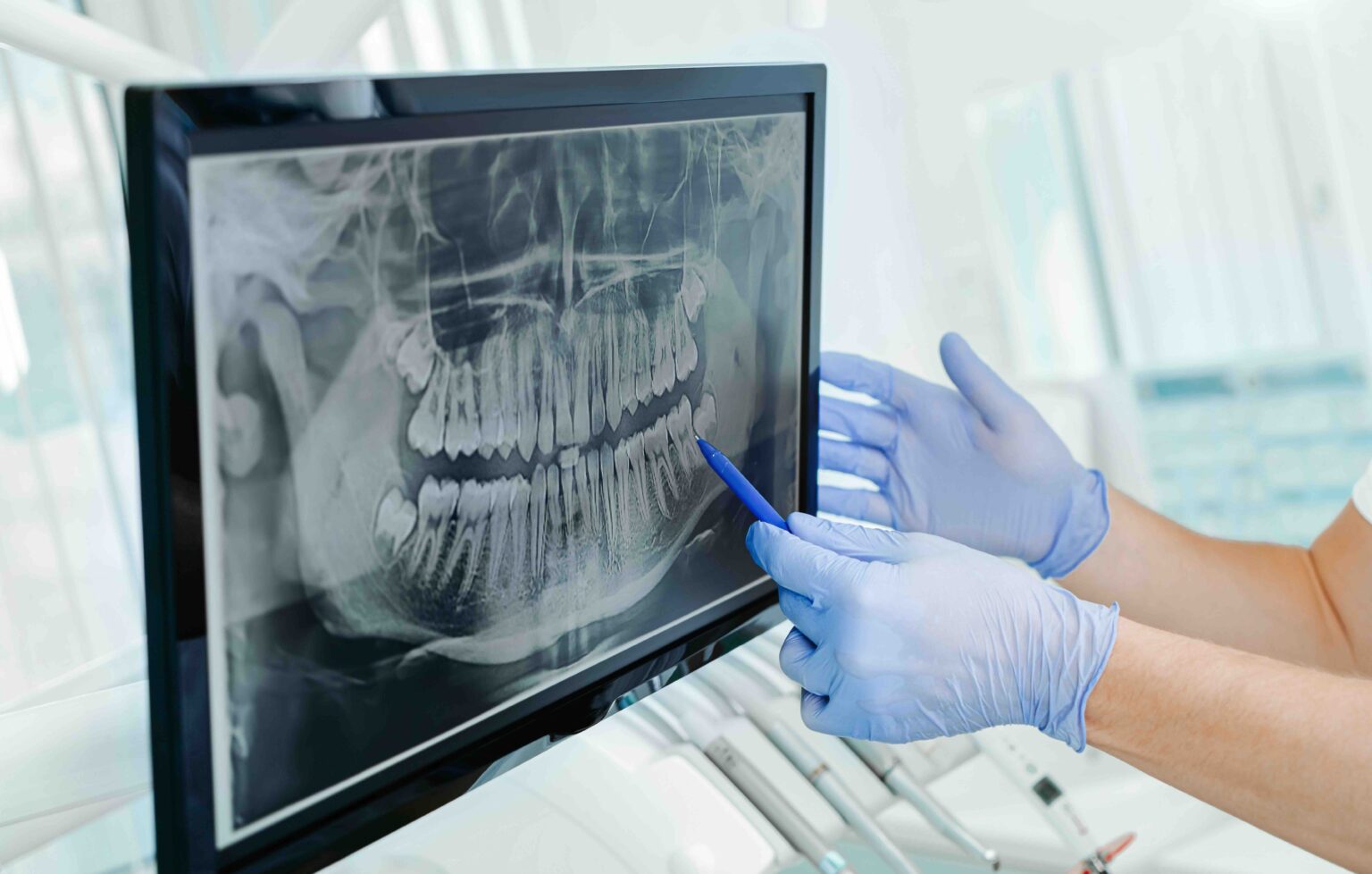
Few dental procedures carry as much baggage as a root canal. Patients often arrive tense, having heard old stories that no longer match modern care. What usually surprises them is not how dramatic the procedure feels, but how routine and relief-focused it often is. When a tooth’s inner tissue becomes inflamed or infected, saving that tooth can be the most practical, conservative decision available.
That is really the question behind Root Canal Beverly Hills care. Not whether root canal treatment sounds intimidating, but whether it is the right tool for the condition in front of you. In many cases, it is the difference between preserving a functional natural tooth and moving into a more complex conversation about extraction, bone changes, and replacement options.
The right choice depends on diagnosis, timing, the structural health of the tooth, and the patient’s larger goals. It also depends on what is happening beneath the surface, because teeth can look deceptively fine from the outside while the nerve and pulp are already in serious trouble.
What a root canal actually treats
Inside every tooth is a small chamber filled with pulp, a soft tissue containing nerves and blood vessels. When that pulp is irritated beyond recovery, or infected by bacteria, the tooth can no longer heal on its own. At that point, the goal shifts from waiting and watching to removing the diseased tissue, disinfecting the inner canals, and sealing the space so the tooth can remain in place.
That is the purpose of root canal therapy. It does not “kill” a healthy tooth. It saves a damaged one.
The common pathways to pulp injury are straightforward. Deep decay can penetrate through enamel and dentin. A crack can allow bacteria to enter the center of the tooth. Trauma, even months after an accident, can disrupt the blood supply. Repeated dental work on the same tooth can also stress the pulp until it stops tolerating further irritation.
Patients often assume that if pain comes and goes, the problem is not serious. In practice, fluctuating pain can be a warning sign. A tooth that throbs at night for a week, settles down, then becomes quiet for a while may not be improving. Sometimes the nerve is simply deteriorating. By the time swelling appears, the issue is usually more advanced.
The signs that point toward root canal treatment
Not every toothache needs endodontic care. Sensitivity from exposed roots, gum recession, grinding, or a high filling can mimic deeper problems. That is why a proper exam matters. Dentists look at symptoms, cold and percussion testing, bite response, radiographs, and the tooth’s restoration history before recommending treatment.
Certain patterns raise the index of suspicion. Persistent sensitivity to cold that lingers well after the trigger is removed is a classic one. So is pain when biting or releasing pressure. A pimple-like bump on the gum can indicate drainage from an infection near the root tip. Swelling, tenderness, and temperature sensitivity may all show up together, though sometimes a severely infected tooth causes surprisingly little pain.
These symptoms deserve prompt evaluation:
- Tooth pain that wakes you at night or returns without a clear trigger
- Sensitivity to hot or cold that lingers for many seconds or longer
- Pain when chewing, especially on one specific tooth
- Swelling in the gum or face near the tooth
- Darkening or discoloration after an injury
Even this list has nuance. A cracked tooth may hurt sharply only with certain foods. A dead nerve may stop responding to cold altogether and still require treatment. A draining abscess can lower pressure enough that pain decreases, which can fool patients into postponing care. Relief does not always equal resolution.
When the tooth can still be saved
A root canal becomes the right choice when the pulp is compromised but the tooth itself remains reasonably restorable. That phrase, “reasonably restorable,” matters more than many people realize.
If the root is sound, surrounding bone support is adequate, and enough tooth structure remains above the gum line to hold a final restoration, preserving the tooth is usually worth serious consideration. This is especially true for back teeth that carry heavy chewing loads. Keeping your own tooth generally preserves bite balance, jaw function, and familiarity. Natural teeth still offer something no replacement perfectly replicates, proprioception, the subtle sensory feedback that helps you control force when chewing.
From a practical standpoint, saving a tooth can also be more efficient than removing it and replacing it later. Extraction may seem simpler on the day it is done, but the downstream plan often grows more involved. Missing teeth can shift nearby contacts, affect bite harmony, and in some cases lead to bone loss in the extraction area. If replacement is needed, now the discussion turns to implant surgery, bridge preparation, healing intervals, cost, and maintenance.
This is one reason Root Canal Beverly Hills consultations often revolve around long-term planning rather than just immediate pain relief. In many professional and image-conscious communities, patients want durable function with minimal disruption. Preserving a strategically important natural tooth often aligns with that goal.
Cases where root canal treatment is clearly indicated
Some scenarios leave little ambiguity. A tooth with deep decay reaching the pulp and severe lingering pain is a classic candidate. Root Canal Beverly Hills dentalgroupbh.com So is a tooth with a visible infection around the root on an X-ray combined with tenderness or swelling. Trauma creates another common scenario. A front tooth struck during sports, a fall, or even a minor collision may discolor weeks later. That color change can signal loss of vitality and the need for endodontic treatment, even if the tooth is not painful.
Large existing restorations tell their own story. A molar that has had several fillings over the years, then develops spontaneous pain, often has a stressed pulp that has reached its limit. In these situations, replacing the filling alone will not solve the problem because the pain originates from inflamed or necrotic tissue deep inside the tooth.
There are also cases where treatment is recommended before symptoms become severe. A dentist may remove decay under an old crown, discover a pulp exposure, and advise immediate root canal therapy to avoid predictable deterioration. That can feel sudden to the patient, but clinically it is often the most conservative response to what is found.
When a root canal may not be the best option
Root canal treatment is not always the right answer. Saving a tooth makes sense only when the tooth has a realistic future.
A vertical root fracture often changes the picture completely. These fractures may extend below the gum and into the root in a way that cannot be predictably repaired. Advanced periodontal disease can also make the tooth a poor candidate if bone support is badly compromised. Extensive decay below the gum line may leave too little structure to restore, even if the canal treatment itself could technically be done.
There are also strategic considerations. A wisdom tooth with limited function, poor access, and a questionable long-term role in the bite may not deserve a complex rescue effort. On the other hand, a first molar that anchors chewing efficiency often does.
Here, good dentistry depends on judgment rather than reflex. The mere fact that a tooth can receive endodontic treatment does not mean it should. Patients deserve an honest discussion about prognosis, not just possibility.
The extraction versus root canal decision
This is often the heart of the appointment. A patient wants to know, “Should I save it, or just pull it?”
There is no universal answer, but the comparison becomes clearer when you break it into function, cost over time, treatment length, and predictability. Root canal therapy followed by a proper restoration often preserves normal chewing with fewer biological changes. Extraction removes the source of infection quickly, but it also creates a gap that may need management. If the tooth is not replaced, neighboring teeth can drift, and the bite can gradually change.
The short-term fee for extraction can appear lower. The long-term total may not be. Once replacement enters the equation, especially with an implant and crown, costs often surpass the save-the-tooth route. That said, if the tooth’s prognosis is poor even after treatment, extraction may prevent repeated spending on a failing plan.
A practical chairside conversation usually covers four points:
- Can the tooth be predictably restored after root canal treatment?
- Is there enough healthy structure left to support a crown or other final restoration?
- What is the periodontal and fracture status of the tooth?
- If extracted, what is the realistic replacement plan and timeline?
Those questions tend to cut through fear and bring the decision back to function and prognosis.
Why timing matters more than people think
One of the biggest mistakes patients make is waiting for pain to become unbearable. By then, the infection may have spread, the tooth may have fractured further, or the surrounding tissue may be more inflamed, all of which can complicate treatment.
Early intervention generally creates a better clinical environment. The canals may be easier to clean, the tooth may be easier to numb comfortably, and the final restoration plan may be more straightforward. Waiting can shrink your options. A tooth that might have been saved with a root canal and crown can become a non-restorable extraction case if decay expands too far below the gum line or if the weakened tooth splits.
I have seen this especially with cracked molars. A patient feels a twinge when chewing almonds or crusty bread, avoids that side for a few months, then returns after a piece breaks off. At that stage, the problem is often not just pulpal inflammation but structural collapse. Teeth do not usually fail all at once. They tend to warn you first.
What the procedure feels like now
Many people still imagine root canal treatment through the lens of older family stories. Modern dentistry is different. With reliable local anesthetic, digital imaging, better instrumentation, and magnification, the experience is typically closer to having a deep filling or crown preparation than to the nightmare scenarios people expect.
The appointment begins with anesthesia and isolation of the tooth, usually with a rubber dam to keep the area clean and dry. The dentist or endodontist accesses the pulp chamber, removes the unhealthy tissue, shapes and disinfects the canals, then fills them with a biocompatible material. Depending on the case, the tooth may receive a temporary buildup before final restoration.
Some teeth are finished in one visit. Others require two, especially when infection is active or anatomy is more complex. Molars often take more time than front teeth because they have multiple canals and less direct access. Curved canals, calcifications, and prior treatment can all increase difficulty.
Afterward, mild soreness for a few days is common, especially when the tooth was painful before treatment. What most patients notice, though, is the disappearance of the deep throbbing or pressure that brought them in.
The crown question, and why it matters
Root canal therapy addresses the inside of the tooth. It does not automatically solve the structural weakness that often exists on the outside. That is why the final restoration matters so much.
Back teeth that have undergone root canal treatment usually need a crown or similarly protective restoration. Molars and premolars absorb heavy forces, and a tooth that has already lost substantial structure from decay, old fillings, or access preparation is more likely to fracture if left unprotected. Front teeth are a separate discussion. If a front tooth retains ample structure and bite forces are favorable, a full crown may not always be necessary.
Patients sometimes postpone the crown because the pain is gone and the urgency feels over. That is a costly mistake. I have seen beautifully treated root canal cases fail because the patient delayed the final restoration until a cusp cracked off. The inside treatment succeeded, but the shell of the tooth did not hold up.
Why specialist care is sometimes recommended
General dentists perform many root canals well, especially on straightforward teeth. Still, some cases are best managed by an endodontist, a specialist focused on root canal diagnosis and microsurgical treatment.
Referral often makes sense when anatomy is difficult, canals are unusually narrow or calcified, pain is hard to diagnose, retreatment is needed, or a crack is suspected. Endodontists typically work with microscopes, advanced imaging such as cone beam scans when indicated, and instruments designed for challenging canal systems. That added precision can make a meaningful difference in complex cases.
In a place where patients often seek highly refined dental care, the phrase Root Canal Beverly Hills may imply not only location but also expectations about detail, aesthetics, scheduling, and multidisciplinary coordination. A good office does not just perform the procedure. It integrates diagnosis, specialist referral when needed, and timely restoration so the tooth has a real long-term chance.
Retreatment, failed root canals, and second opinions
Not every previously treated tooth stays healthy forever. Root canals can fail, sometimes because of missed anatomy, delayed crown placement, new decay, crown leakage, fracture, or persistent bacteria in difficult canal spaces. A tooth that hurts years after treatment is not automatically hopeless, but it does need reassessment.
Retreatment can be very worthwhile if the tooth is otherwise sound. The old filling material is removed, the canals are cleaned again, and the tooth is sealed once more. In some situations, endodontic surgery around the root tip may be considered. In others, extraction is the wiser route.
This is where second opinions have real value. If one doctor says a tooth is not salvageable and another sees a strong restorative future, asking more questions is appropriate. The best decision often rests on a combination of radiographic findings, crack assessment, periodontal status, and the quality of remaining tooth structure, not on any single factor alone.
Recovery, cost, and practical expectations
Patients usually return to normal activities quickly. If the tooth was badly infected beforehand, tenderness can linger for several days, but it is usually manageable with routine measures recommended by the treating dentist. The more important limitation is often chewing. Until the final restoration is placed, that tooth should be treated carefully.
Cost varies by region, tooth type, and provider. Front teeth tend to be less complex than molars, and specialist care can carry different fees than general practice. The final crown, if needed, is a separate part of the total. Rather than thinking only about the procedure fee, it helps to think in stages: diagnosis, canal treatment, buildup if necessary, and definitive restoration.
That staged view gives a more realistic picture of value. Saving a strategically important tooth can be an excellent investment, but only when the full plan is completed.
Questions worth asking before you decide
A strong treatment conversation is rarely rushed. If a dentist recommends a root canal, it is reasonable to ask what specifically is being seen or tested that supports that diagnosis. Ask whether the pain pattern fits reversible inflammation, irreversible inflammation, infection, or fracture. Ask how much tooth structure remains and what restoration will be needed afterward. Ask about prognosis in plain language.
The answers should feel concrete. “The decay has reached the nerve.” “The cold sensitivity lingers for over a minute and the ligament is inflamed.” “There is a lesion at the root tip.” “The crack seems limited to the crown portion and the tooth looks restorable.” That level of clarity is a good sign.
Vague reassurance without explanation is less helpful. Patients make better choices when they understand not just what is being proposed, but why.
So when is Root Canal Beverly Hills the right choice?
It is the right choice when the pulp is irreversibly inflamed or infected, the tooth can still be restored predictably, and preserving that natural tooth serves the patient’s long-term function and comfort. It is also the right choice when waiting would likely worsen the prognosis.
It may not be the right choice when the tooth is structurally unsalvageable, severely fractured, periodontally hopeless, or so compromised that treatment would only delay an inevitable extraction.
That distinction matters. Root canal therapy is neither something to fear blindly nor something to recommend automatically. It is a precise solution for a specific problem. When diagnosis is careful and the restoration plan is sound, it can relieve pain, stop infection, and keep a natural tooth working for many years.
For most patients, the smartest next step is not to debate the procedure from memory or hearsay, but to get a proper evaluation while options are still open. Teeth rarely improve by being ignored. When a root canal is truly indicated, timely treatment is often the most conservative move you can make.
Dental Group of Beverly Hills
8641 Wilshire Blvd, Suite 125
Beverly Hills, CA 90211
(310) 361-2835
FAQ About Root Canal Beverly Hills
What are the signs you need a root canal?
Persistent pain, lingering temperature sensitivity, or swelling can have several causes. A dentist can examine the tooth and decide whether root canal treatment is appropriate.
How much does a root canal usually cost in Beverly Hills CA?
Cost varies by tooth, complexity, insurance, and whether a permanent restoration is needed. Request an itemized estimate.
How long do root canals last?
A treated tooth can last many years with a suitable restoration and regular dental care. Its outlook depends on tooth condition, the seal, and follow-up care.