Column · @donovancljp862
Emergency Dentist Beverly Hills Care for Biting Injuries and Oral Trauma

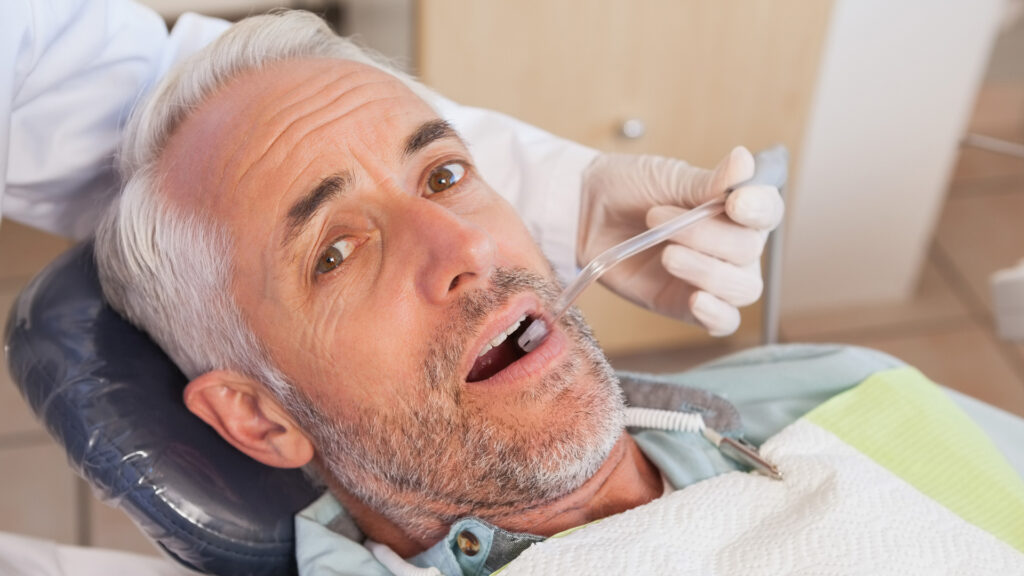

A biting injury inside the mouth can look minor at first and still turn into a serious dental emergency within hours. Lips swell fast. Gums bleed heavily from small tears. A tooth that seems only sore after impact may darken days later because the nerve was damaged. When oral trauma involves the teeth, soft tissue, jaw, or bite alignment, prompt care matters for reasons that go well beyond comfort.
That is where an Emergency Dentist Beverly Hills often becomes the right first call. The goal is not simply to stop pain. It is to protect tooth structure, control bleeding, reduce infection risk, preserve appearance, and prevent a manageable injury from becoming a more complex restoration case later. Patients usually arrive worried about the visible damage, but the less obvious problems can be just as important. A cut lip may hide tooth fragments. A chipped front tooth may be the least urgent part of the injury if the tooth was actually displaced in the socket. A child who bit through the cheek after a fall may also have a concussion concern or jaw injury that needs medical evaluation.
In practice, oral trauma tends to happen in ordinary moments rather than dramatic ones. Someone slips near a pool and strikes the mouth on concrete. A teenager takes an elbow during a basketball game. A toddler falls while learning to walk and drives the upper teeth into the lip. An adult wakes up after accidentally biting the tongue during sleep and cannot get the bleeding to stop. Each case has its own pattern, and treatment decisions depend on timing, depth of injury, contamination, age, and whether the teeth, bone, or soft tissues were involved.
Why biting injuries deserve fast attention
The mouth is richly supplied with blood vessels, which is one reason even small injuries can look alarming. It is also one reason healing can be surprisingly good when wounds are treated properly and early. The problem is that people often underestimate injuries that involve teeth or the inside of the mouth because they do not always feel severe right away. Adrenaline masks pain. Swelling develops later. Broken enamel may not hurt until cold air or water hits it. A tooth that was bumped may test normal at first and then fail weeks later.
Biting injuries fall into a few broad categories. Some are accidental self-inflicted wounds, such as biting the cheek, tongue, or lip during a fall, seizure, sports collision, or while chewing. Others happen when the teeth clamp down forcefully on soft tissue after a blow to the jaw. Then there are external bite injuries from another person or an animal, which carry different infection concerns and often require both dental and medical evaluation. Oral trauma can also include lacerations caused by fractured teeth, orthodontic hardware, or a sudden change in the bite after impact.
An experienced emergency dental team looks past the obvious cut and asks more useful questions. Is there a loose or intruded tooth? Is normal Emergency Dentist Beverly Hills dentalgroupbh.com bite contact still present on both sides? Is there numbness in the lip or chin? Did the patient lose consciousness? Are there missing tooth fragments that could be embedded in soft tissue? Has bleeding slowed with direct pressure or does it restart each time the clot is disturbed? Those details shape the next steps.
The first hour after a mouth injury
The first hour often determines how straightforward treatment will be. With traumatic dental injuries, timing is especially important because displaced teeth are easier to reposition before swelling and clot formation make alignment more difficult. Soft tissue wounds are also easier to clean and close before contamination dries into the edges.
These are the priorities most dentists want patients to focus on before coming in:
- Apply clean gauze or a clean cloth with steady pressure to active bleeding for 10 to 15 minutes without repeatedly lifting it to check.
- Use a cold compress on the outside of the face in short intervals to limit swelling.
- If a tooth is broken, save any fragments and bring them to the appointment.
- If a permanent tooth is completely knocked out, hold it by the crown, not the root, gently rinse if dirty, and keep it moist in milk or saliva while seeking immediate care.
- Avoid aspirin on a fresh bleeding injury, avoid poking the wound, and avoid eating until the mouth is assessed if the bite feels off or the jaw is painful.
That advice sounds simple, but the details matter. One of the most common mistakes is repeatedly checking a bleeding wound every minute or two. Each time pressure is removed, the forming clot can be disrupted and bleeding starts over. Another common problem is scrubbing a knocked-out tooth or wrapping it in tissue. The cells on the root surface are delicate, and rough handling lowers the chance of successful reimplantation.
A practical point many people miss is that dehydration and panic worsen the experience. If there is no risk of aspiration and the injury does not require fasting for a hospital evaluation, small sips of water can help. Calm, steady pressure and a quick call to an Emergency Dentist Beverly Hills office usually accomplish more than frantic rinsing and internet searches.
How dentists evaluate oral trauma
Trauma appointments move differently from routine dental visits. The first task is stabilization, not paperwork perfection. Bleeding control, airway assessment, pain level, and a quick review of the mechanism of injury come first. A patient who tripped in a kitchen and hit the counter presents differently from someone injured in a contact sport or a bicycle accident. Force direction matters. So does contamination. A clean edge from a sharp tooth fragment is one thing. A dirty ground-impact wound with gravel or debris is another.
The exam typically includes inspection of the lips, cheeks, tongue, gums, palate, and the floor of the mouth. Dentists look for wound depth, tissue loss, trapped debris, and signs that a laceration crosses important anatomical structures. They assess tooth mobility, percussion sensitivity, bite changes, cracks, pulp exposure, and root position. Radiographs are often necessary, not because every injury needs extensive imaging, but because what cannot be seen clinically often drives treatment. Small tooth fragments may lodge in the lip. A root fracture may explain why a tooth feels strangely flexible. Bone support may be compromised even when enamel damage looks minimal.
In some cases, a patient says, “I only bit my lip,” yet the real issue is that one or more upper front teeth were driven inward. The lip injury is visible, so it gets attention. The intruded teeth are less obvious to a nonprofessional, but they can threaten long-term tooth survival if not managed correctly. On the other hand, a dramatic-looking tongue bite may heal well with conservative care if the edges approximate naturally and bleeding is controlled.
Judgment matters here. Not every cut needs sutures. Not every loose tooth should be splinted the same way. Not every chipped tooth requires immediate cosmetic repair if the priority is pulp protection and bite stability. A seasoned trauma dentist balances urgency with restraint.
Biting injuries to the tongue, cheek, and lips
Soft tissue injuries inside the mouth can be painful and messy, but many heal remarkably well when cleaned and protected. The challenge is deciding which ones need closure, deeper exploration, or referral. A superficial cheek bite from chewing may only need smoothing of a sharp tooth edge, saline rinses, and observation. A through-and-through lip laceration, by contrast, can require layered closure and careful alignment of the vermilion border to avoid a visible cosmetic defect.
Tongue injuries deserve respect because the tongue has an abundant blood supply and can swell enough to interfere with speech, swallowing, and comfort. A small tongue laceration often closes on its own with pressure and rest. A larger split, persistent bleeding, or a cut at the tongue edge that gapes when the tongue moves may need suturing. When patients describe waking up with a tongue injury after biting during sleep, it is worth asking whether they have a history of seizures, severe nighttime grinding, or obstructive sleep issues that contribute to forceful clenching.
Cheek and lip bites can hide foreign material. It is not rare to find a tiny enamel fragment embedded in the lower lip after a front tooth fracture. If that piece is missed, the area may stay tender and swollen long after the surface seems to heal. A good exam and appropriate imaging prevent that kind of lingering problem.
There is also the issue of repeated trauma. If the bite has changed because a tooth shifted or fractured, the patient may keep biting the same area over and over. That pattern is common after molar fractures, crown dislodgement, or sports injuries. In those situations, pain relief alone is not enough. The dentist needs to remove the source of repeated injury by adjusting a rough edge, stabilizing a loose tooth, or rebuilding the damaged surface.
When teeth are involved, the timeline gets tighter
Traumatic dental injuries are unforgiving about timing. A cracked tooth can often be protected before the crack propagates. A displaced tooth can sometimes be repositioned more predictably in the first hours. An exposed pulp in a younger patient may have a better chance of conservative treatment if managed promptly. Waiting a day or two because “it does not hurt that much” can change the options.
Not all tooth injuries are obvious. Enamel chips may be mostly cosmetic, though even those can create sharp edges that slice soft tissue. Dentin exposure usually brings sensitivity and needs sealing. Pulp exposure raises the stakes and can require direct pulp therapy, partial pulpotomy, root canal treatment, or extraction depending on the age of the tooth, extent of injury, and contamination. Luxation injuries, where the tooth is loosened or displaced rather than broken, often look deceptively mild to patients. Yet these are the cases that can affect long-term vitality and root health.
One memorable pattern after a fall is the patient who says the front tooth “feels taller.” That phrase often means the tooth has shifted and is taking force earlier than the surrounding teeth when biting down. If left alone, every bite becomes a new trauma. Prompt adjustment and stabilization can make an enormous difference in comfort and prognosis.
Children and adults are not the same here. Primary teeth, or baby teeth, are managed with the developing permanent teeth in mind. Aggressive attempts to save a badly displaced baby tooth are not always the best choice if they risk injury to the permanent successor. Permanent teeth, especially in younger patients with incomplete root development, may benefit from different pulp-preserving strategies than fully mature adult teeth. Experience matters because the correct treatment is not purely about saving the tooth in front of you, it is about protecting the next decade of oral health.
What treatment may involve
Emergency care is tailored to the injury rather than delivered from a template. On some visits, treatment is quick and conservative. On others, it requires coordination with oral surgery, endodontics, periodontics, or medical care.
Common interventions include:
- Cleaning and irrigating wounds, removing debris, and placing sutures when edges will not close well on their own.
- Smoothing or bonding chipped teeth to eliminate sharp surfaces and protect exposed layers.
- Repositioning displaced teeth and splinting them to neighboring teeth for a defined healing period.
- Prescribing appropriate pain control, home care instructions, and follow-up testing for tooth vitality and healing.
- Referring for hospital or specialist management when jaw fracture, facial fracture, severe infection risk, or airway concerns are suspected.
One point patients appreciate hearing plainly is that emergency treatment is sometimes staged. The first visit may focus on bleeding control, cleaning, stabilization, radiographs, and temporary protection. The definitive cosmetic repair might come later, after swelling decreases and the tooth’s status becomes clearer. That is not incomplete care. It is often the safest sequence.
For example, a fractured front tooth after a weekend sports injury may receive a bonded temporary edge the same day so the patient can speak and smile without a jagged fragment cutting the lip. But if the tooth also suffered a concussion injury, the final veneer or crown plan may need to wait until vitality testing and healing patterns are better understood. Rushing a permanent cosmetic solution onto an unstable tooth is rarely wise.
Human bites and animal bites need extra caution
Not every biting injury is self-inflicted. Human bites, even small ones, deserve careful attention because the bacterial load is significant and the wound may be more contaminated than it appears. Animal bites vary by species, wound depth, and vaccination history, but they also bring medical considerations beyond the tooth and soft tissue damage. In these cases, the right next step may involve both dental management and urgent medical evaluation for antibiotics, tetanus review, or other preventive care.
A dog bite to the lip, for instance, can affect both function and facial aesthetics. The patient may need wound cleansing, closure, dental assessment for chipped or displaced teeth, and medical management of infection risk. A clenched-fist human bite is the classic medical teaching example outside dentistry, but bites to the oral region should not be dismissed either. Dentists play a key role in evaluating tooth trauma and oral lacerations, while recognizing when broader medical treatment is indicated.
Pain, swelling, and what recovery actually feels like
Patients often want to know what is normal in the first few days. Some swelling peaks around 48 to 72 hours after trauma, even with proper care. Mild oozing from soft tissue wounds can continue intermittently for several hours. Bruising may spread downward with gravity and look worse before it looks better. Temperature sensitivity in injured teeth is common. So is a bruised sensation when chewing.
What is not reassuring is uncontrolled bleeding, increasing facial asymmetry, fever, foul taste with worsening swelling, difficulty opening the mouth, numbness that persists or worsens, or a bite that suddenly changes again after initial stabilization. Those signs suggest the need for prompt re-evaluation.
Diet and home care matter more than patients expect. Sharp foods, alcohol-based rinses, vigorous spitting, and smoking all interfere with healing. Warm saltwater rinses can be useful after the first day for many soft tissue injuries, but forceful swishing on day one is often unhelpful. A softer diet for several days reduces repeat trauma. If a tooth has been splinted, compliance becomes even more important because the splint protects healing tissues but cannot compensate for chewing aggressively on the injured area.
Cosmetic concerns are real, and they belong in the conversation
In Beverly Hills, appearance is rarely a trivial concern, and it should not be treated that way. A visible chip, a shortened front tooth, a scar line at the lip, or a darkening tooth after trauma can affect confidence as much as function. Good emergency care accounts for both. That does not mean every injury gets a same-day aesthetic makeover. It means the dentist plans treatment in a way that preserves future cosmetic options rather than compromising them.
A good example is a lip laceration caused by a fractured incisor. The tooth and lip are part of the same injury. If the lip is repaired carefully but the tooth remains sharp and unstable, the wound may reopen. If the tooth is restored without checking for tooth fragments in the lip, a tender nodule may form and spoil an otherwise good outcome. Coordinated care produces better cosmetic and functional results than treating each detail in isolation.
When a dental emergency is also a medical emergency
Dentists are often the correct first stop for oral trauma, but not always. A patient with heavy uncontrolled bleeding, loss of consciousness, repeated vomiting after head impact, difficulty breathing, suspected jaw fracture, severe facial asymmetry, or inability to swallow needs emergency medical evaluation right away. The same is true when a child has a deep facial wound, signs of concussion, or possible neck injury.
This distinction matters because the mouth sits at the crossroads of dental and medical care. An Emergency Dentist Beverly Hills office can manage a wide range of traumatic injuries efficiently, but the best clinicians also know when the safer move is immediate referral to an emergency department or oral and maxillofacial surgeon.
Follow-up is not optional after significant trauma
A common mistake is assuming the emergency visit settles everything. In reality, traumatic dental injuries often need monitoring. Teeth that test normal on day one can become nonvital later. Root resorption can develop over time. Splints need removal on schedule. Soft tissue healing should be checked for infection, scar contraction, or retained fragments. Children may need reassessment as the dentition develops.
That follow-up period is where experienced practitioners earn their keep. They know which symptoms to watch, when to retest, when to image again, and when to shift from observation to intervention. They also know how to set expectations honestly. Some teeth recover beautifully. Some remain structurally intact but later need root canal therapy. Some cosmetic issues improve with time, while others are better corrected after tissues mature.
No one plans for a mouth injury. It interrupts meals, speech, work, school, sleep, and often self-confidence. The right emergency care does more than get a patient through the day. It protects options, reduces complications, and gives damaged teeth and tissues the best chance to heal well. When biting injuries or oral trauma strike, acting quickly and choosing a skilled Emergency Dentist Beverly Hills patients can reach without delay often makes the difference between a simple recovery and a much longer road back.
Dental Group of Beverly Hills
8641 Wilshire Blvd #125, Beverly Hills, CA 90211, United States
Phone: +1 (310) 929-6335
FAQ About Emergency Dentist Beverly Hills
What is considered to be a dental emergency?
Severe tooth pain, a knocked-out permanent tooth, a significant tooth fracture, or suspected dental infection needs prompt professional assessment. Contact a dentist to describe the problem and arrange appropriate care. Trouble breathing or swallowing, uncontrolled bleeding, or major facial injury requires immediate emergency medical attention.
How to tell if tooth pain is serious?
Pain that is severe, persistent, or accompanied by fever, facial swelling, or a bad taste should be assessed promptly by a dentist. The cause cannot be confirmed from symptoms alone. If swelling affects breathing or swallowing, call 911 or go to an emergency department.
What do I do if I have a dental emergency and no dentist?
Call a nearby dental practice that accepts urgent patients and explain your symptoms, when they began, and any recent injury. Ask about the earliest available assessment and what information to bring. For life-threatening symptoms, seek emergency medical care immediately instead of waiting for a dental appointment.